
First steps when you find a plumbing leak
Prioritize electrical safety, contain water if possible and use accessible shutoff valves only when safe.
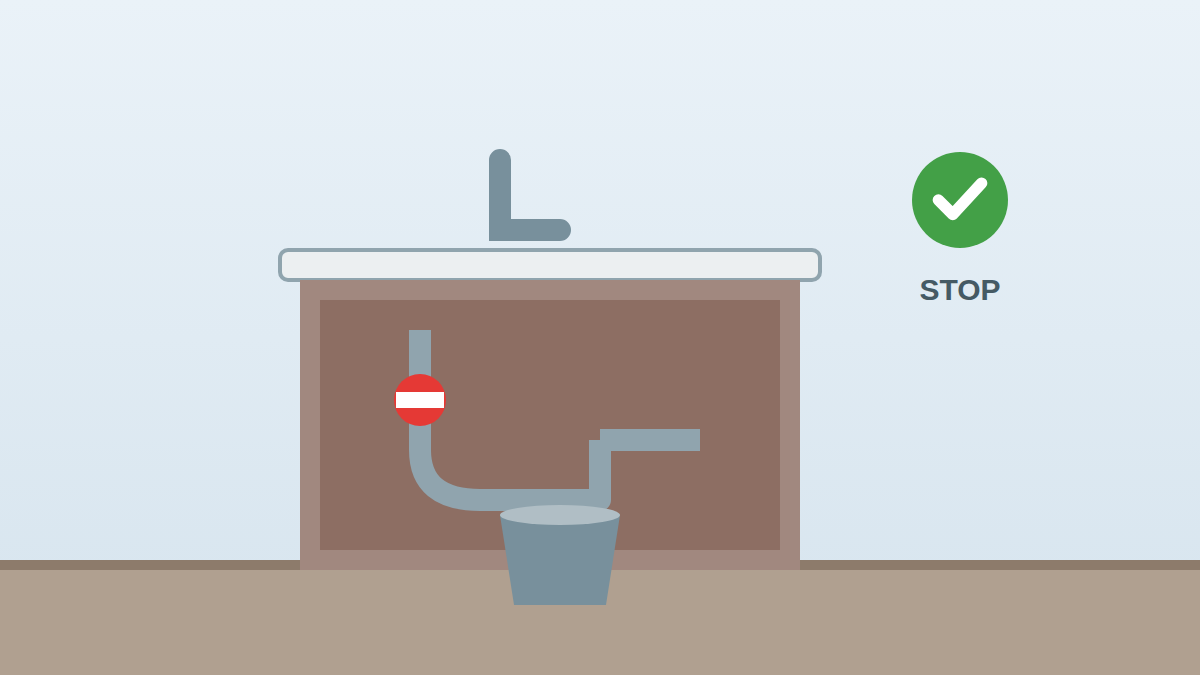
What to check first
Practical first steps
Locate the safest accessible shutoff valve, protect belongings and document the leak with photos.
Safety: Avoid wet electrical areas. Call a licensed plumber for concealed, persistent or significant leaks.
- From a dry, safe position, photograph the visible source area and record when the leak began.
- Note whether water appears continuously or only when a fixture is used; do not run it again to test.
- Record affected rooms and visible ceiling or wall changes without opening concealed spaces.
What changes the right next step?
If you already know the correct water shutoff and can reach it safely, use it only without force. Otherwise call a plumber for guidance. Contain drips or move belongings only when this does not expose you to hazards.
Questions to ask before paying for repairs
Where is the leak originating, and what supports that conclusion? Does the estimate include opening and restoring finishes, drying, and checking the completed repair? What should remain out of use until the work is complete?
Safety and limitations
Stay away from wet outlets, appliances, and electrical panels; do not touch switches while wet. Avoid bulging ceilings and hot-water discharge. Do not drain a water heater or dismantle piping. Seek urgent qualified help for significant or concealed leaks.
Sources and further reading
These references support general safety, maintenance, or estimate-comparison principles. They are not a diagnosis or a source of live local prices. Use your model-specific manual and applicable local requirements for equipment procedures.