AC Not Cooling
Learn common reasons an air conditioner may run without cooling well, and when to stop troubleshooting and call a professional.
Read the guide →
Ice on an indoor coil or refrigerant line can indicate airflow restrictions or other issues that need professional assessment.
Explore the guide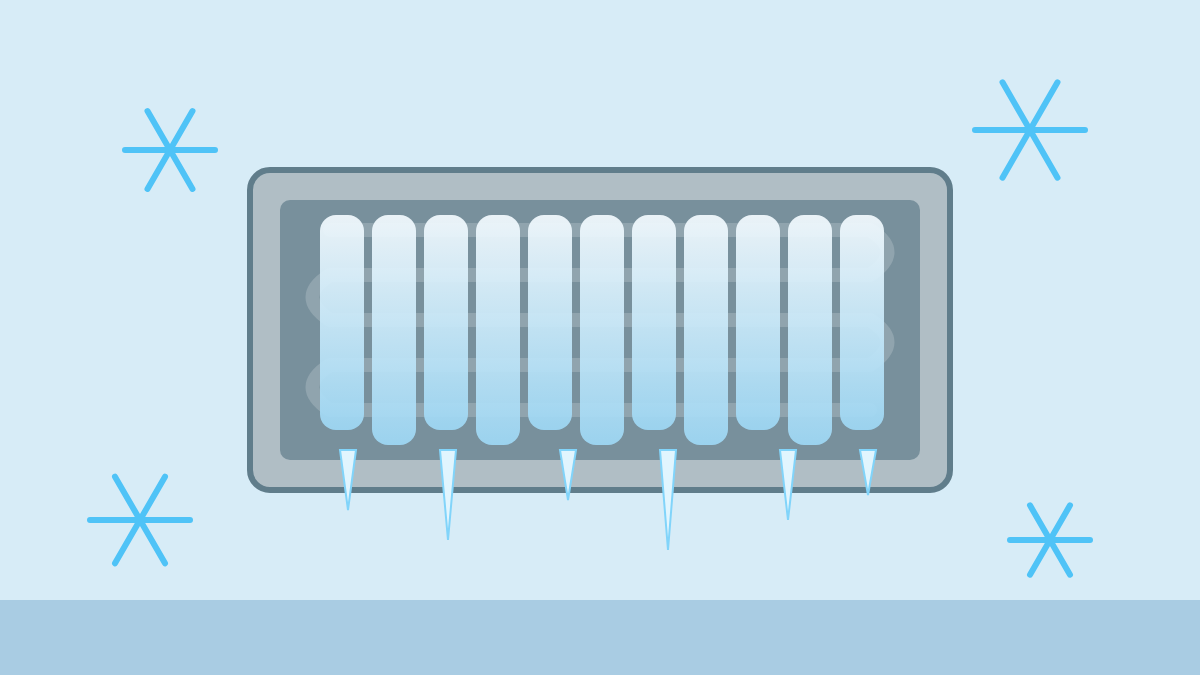
Ice on an indoor coil or refrigerant line can indicate airflow restrictions or other issues that need professional assessment. Ice on an air-conditioning system can signal restricted airflow or a refrigerant-related problem. Turn off cooling to prevent further damage, check the filter and accessible return vents, and allow the equipment to thaw according to the manufacturer's instructions. Do not chip away ice or handle refrigerant lines.
For an informed first step, make a short checklist of symptoms and observations. Do not disassemble equipment or defeat safety protections.
Ice on an indoor coil or refrigerant line can indicate airflow restrictions or other issues that need professional assessment. Conditions, equipment age, model, climate, access, and local labor practices can change the right course of action. Avoid relying on a single generalized estimate.
Compare options on the same scope of work, including labor, materials, permits where applicable, and warranties.
Ice on an indoor coil or refrigerant line can indicate airflow restrictions or other issues that need professional assessment. Keep the equipment manual, recent service history and any written quotes together. Ask a qualified professional to explain the diagnosis, alternatives, and safety considerations.
Before authorizing work, confirm what is included, what could change the price, and how the completed work will be checked.
Stop if you notice a safety hazard, water near energized equipment, signs of combustion or gas problems, or anything requiring a licensed trade. Do not attempt repairs beyond your training. Manufacturer instructions and local requirements take priority.
Learn common reasons an air conditioner may run without cooling well, and when to stop troubleshooting and call a professional.
Read the guide →Understand sizing, airflow considerations, replacement schedules and when your system manual should take priority.
Read the guide →